
On paper, it could appear simple: the water is pumped to a different location. In reality there are numerous factors which can influence the distance between two locations, such as elevation of the ground, flow rate, solids, pressure, storage capacity, and access to maintenance.
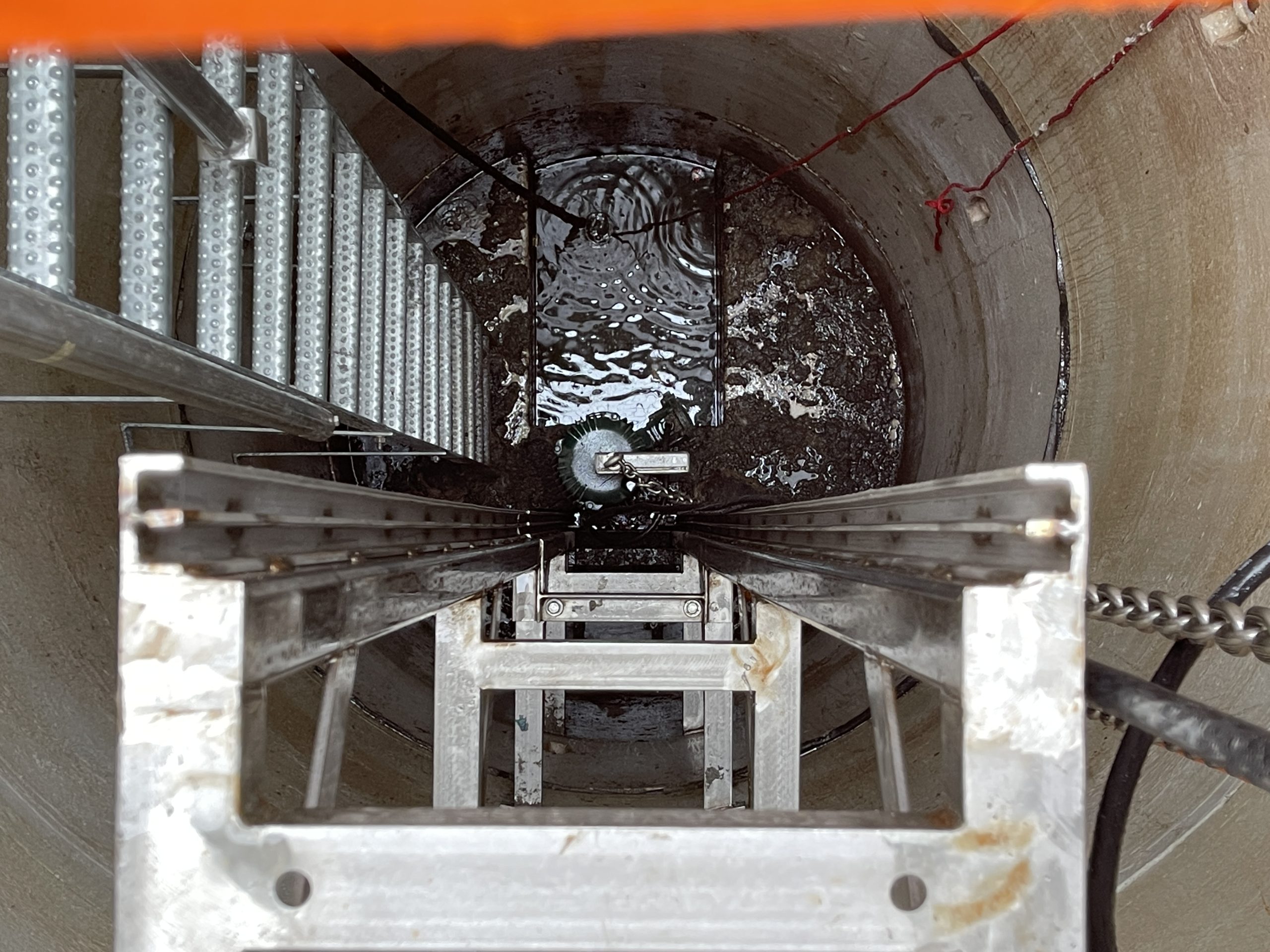
Image credit: romtecutilities.com
For Romtec Utilities, designing a pump station begins by defining those operating conditions rather than selecting equipment from a standard catalog. Initial design and budgetary details could be formulated according to what the requirements of the project are.
Ask yourself: Where do we go?
The engineering changes immediately.
Domestic sewage may contain solids, and can experience a variety of variations in daily flow. If gravity conveyance fails or is not sufficient the wastewater lift station will be required to transfer the wastewater. Engineers should therefore take into consideration expected inflow, peak conditions, pumping capacity, wet-well behaviour, discharge requirements and how the equipment will be operated and maintained.
The difficulties of industrial water differ. The fluids utilized in a manufacturing or processing facility might need to be caustic, oily, or heated with high temperature or pressure. Romtec Utilities creates industrial systems that are used in applications from data centers to installations of oil and gas as well as food processing, power generation, and pharmaceutical waste.
Rainfall can create a completely new operating environment
Stormwater systems can spend long periods handling little activities, only to face huge volume during a storm.
A stormwater pumping station that is part of an detention basin must work, for example, in conjunction with the larger drainage plan of the site. The water that flows through the detention basin, where the temporary storage is responsible for the immediate volume and the pumping system moves the collected water to an approved discharge point.
Romtec Utilities offered this type of solution to the Norco, California business park. This project needed a pumping device that would empty a reservoir into the public stormwater system. The station needed to be engineered as part of the drainage infrastructure instead of being viewed as an isolated piece of equipment.
The word “package” does not necessarily mean off-the-shelf
It is a common misconception that a pumping system used for packages is merely a collection of predetermined components.
For engineered infrastructure, packaging could also mean coordinating the main components into a specific project. The valves and pumps can be chosen based on their use requirements.
That approach becomes especially useful in situations where a new system has to be connected to existing infrastructure. Industrial facilities and well-established municipal facilities usually do not provide a lot of space or even clean installation conditions. It is possible to adapt equipment around existing structures, piping, electrical systems and schedules.
Capacity Planning Can Have Real Consequences
As facilities expand and expand, undersizing is a major expense.
Romtec Utilities supplied a sewer lift station in Portland International Airport for the PDX Next extension. The new station was required to be designed to accommodate twice the capacity for peak flow as the airport expanded.
It illustrates a crucial engineering principle: design conditions shouldn’t just be what a building can handle on a normal afternoon. Engineers must also know what happens when demand peaks.
The job isn’t finished until the Equipment Arrives
At some point, calculations and drawings must be converted into an operating system. Coordination of installation, starting testing documentation, as well as operator understanding are all factors that contribute to the long-term success of.
Years after construction, the efficiency of engineered pumping system is assessed. The decisions made during preliminary design are very evident when flows increase as major storms hit or a maintenance plan is necessary.
Romtec Utilities blends these choices in order to develop a complete pumps solution for a particular project. It assists in turning equipment into infrastructure that is specifically designed for the conditions where it is used.