
The city streets, parks, and municipal pools play an an important part in the lives of communities in general. They provide a place for people to come together, relax, exercise, and take in the natural surroundings. However, the functionality and quality of these places are dependent on the infrastructure offered. This includes restrooms as well as utilities facilities. Prefab Restroom Buildings (also known as Park Restroom Buildings or Utility Buildings) are a crucial element of these public spaces with both aesthetic as well as practical benefits.
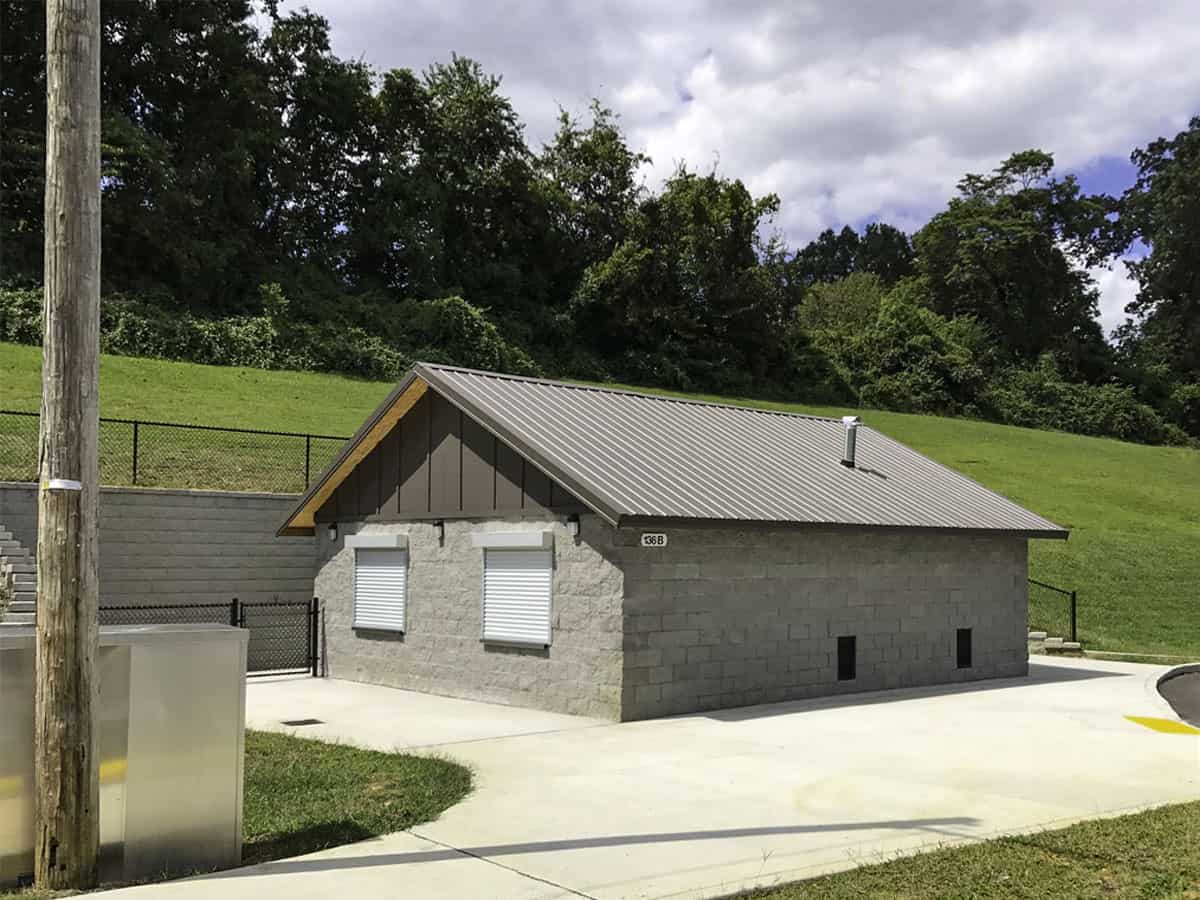
The Evolution of Prefab Restroom Buildings
Historically, restroom facilities in public areas were usually considered a last resort, leading to buildings that were functional, but lacking in style and integration with the surrounding. However, the rise of Prefab Restroom Buildings has revolutionized how these facilities are perceived and used. Prefabrication speeds up installation and construction because the structures are built and engineered off-site.
One of the significant advantages of Prefab Restroom Buildings is their flexibility. Pre-designed, but they can be altered to meet specific requirements. This can involve architectural designs that are in harmony with the environment and materials that are in harmony with nature and layouts that can accommodate various visitor capacities. Prefabrication choices are usually equipped with features that include energy-efficient lighting and water-saving fixtures. They also employ durable materials which require little maintenance.
Enhancing public Spaces by constructing Park Restroom Buildings
Park Restroom Buildings do not just serve as a space where visitors can attend to their individual needs, they can also be a part of the overall experience of parks. When they are designed well they can improve the aesthetic appeal of the park by making it more inviting and accessible to visitors. The design of the restrooms in parks is able to match the theme of a park. For instance for a historical park, it might require a rustic look or a contemporary, urban park could require sleek, contemporary styles.
Park Restroom Buildings are also strategically placed to make it convenient for all visitors such as seniors, families, and those with disabilities. Accessibility is an important factor in designing parks restrooms, and they must comply with ADA standards in order to offer equal access for all. Clean, attractive, and well-maintained restrooms can increase satisfaction among park visitors, which will encourage people to visit again.
Utility Buildings: Infrastructure Supporting Public Spaces
While Prefab Restroom Buildings and Park Restroom Buildings are essential to convenience of the visitors, Utility Buildings play a important role in maintaining the functioning of public areas. They provide essential services such as water supply controls maintenance equipment, and storage facilities. The operation of parks for public use and other places would be hampered without the utility facilities.
The purpose of utility buildings is to blend in with the surroundings in order to not interfere with the natural beauty of the park. But they’re just as vital to the park’s landscape as any other type of building. They ensure the safety, cleanliness, and the operation of the park through providing a safe and efficient location for essential services.
Balance between Functionality and Aesthetics
In order to create a public space that is effective, it is important to find a balance between functionality and aesthetics. While the main purpose behind Prefab Restroom Buildings, Park Restroom Buildings, and Utility Buildings is to meet the needs of visitors as well as staff, their design should not be neglected. These buildings can be a part of the overall feel of a park or even become architectural landmarks in their own rights.
For instance, restrooms equipped with green roofs, natural stone facades or solar panels provide not just essential services, but also encourage sustainability and environmental stewardship. Buildings that are used for utility purposes that utilize local materials and designs can also add cultural significance.
Conclusion: the Future of Public Space Infrastructure
As cities and communities continue to grow and expand, the need for well-designed public spaces will only increase. Prefabricated Restroom Buildings (PRB), Park Restroom Buildings (PRB), and Utility Buildings are all necessary to meet this demand. They offer services and enhance the aesthetics and functions of public spaces.
Insisting on a well-designed quality infrastructure will guarantee that the public spaces remain inviting, safe and enjoyable for all. Communities can create stunning and green public spaces by adopting innovative construction and design methods like prefabrication.


