
A friend of mine mentions that the price of a particular cryptocurrency has doubled. You open an account with an exchange and watch a few videos and you’re suddenly ready to invest. But there’s an issue. It’s possible to comprehend the price changes without fully understanding the product you’re purchasing, how technology works, or the consequences of a malfunction.
Before any real money can be spent, cryptocurrency education must close the gap. Coin Course Coin Course provides educational resources that focus on blockchain fundamentals as well as cryptocurrency wallets. It also examines decentralized finance, noncentralized financial technology security, trading and many other aspects. It is best to learn these subjects in the order that is most pertinent for novices.
Start With the Transaction, Not the Price Chart
A reliable crypto tutorial should describe what cryptocurrency does. Bitcoin is a good example. It allows value to transfer across its network, without the need of a traditional bank to maintain the transaction ledger. Ethereum allows digital currencies to be used and applications that make use of programmable contract.
If you simply monitor the market price and watching the market price, neither technology becomes more understandable. Find out how wallet addresses are made, why they require confirmation through the network and what cryptocurrency differs from money stored in a traditional bank account. These fundamental concepts will help define the advantages and disadvantages of digital currencies.
One transaction can be tracked through the blockchain
It’s easier to grasp technical concepts when they are tied to a specific activity you have experience with. Imagine transferring money through your wallet someone else. Your wallet creates a new transaction, which is then authorized through your private key. The transaction is then submitted to the network, checked against its guidelines and finally added to the blockchain.
This method can be demonstrated through a Blockchain tutorials using an application called a block-explorer that allows users to examine the details of transactions and verify their the status.
This is also an opportunity to learn another vital lesson on security The fact that blockchain transactions are usually not canceled just because the sender entered an incorrect address. Knowing the fundamentals of transactions can help make using a wallet less intimidating.
Find out How to Protect Your assets prior to exploring DeFi
Many beginners focus on finding profitable investments while overlooking basic security for their wallets. Private keys provide the access to your crypto. A recovery phrase may allow someone to restore the wallet to a suitable state and access its assets.
If you agree with this statement, your holdings may be in danger. Guides to blockchain should provide the distinctions between custodial swaps and software wallets as well as hardware wallets.
These lessons must also address fraud, suspicious wallet connections and the dangers of approving permissions for smart contracts, without knowing the full extent of their implications. These lessons are especially important when examining decentralized finance where the users are able to connect directly to apps instead of using traditional intermediaries.
Understanding Crypto Trading without confusion Activity with Progression
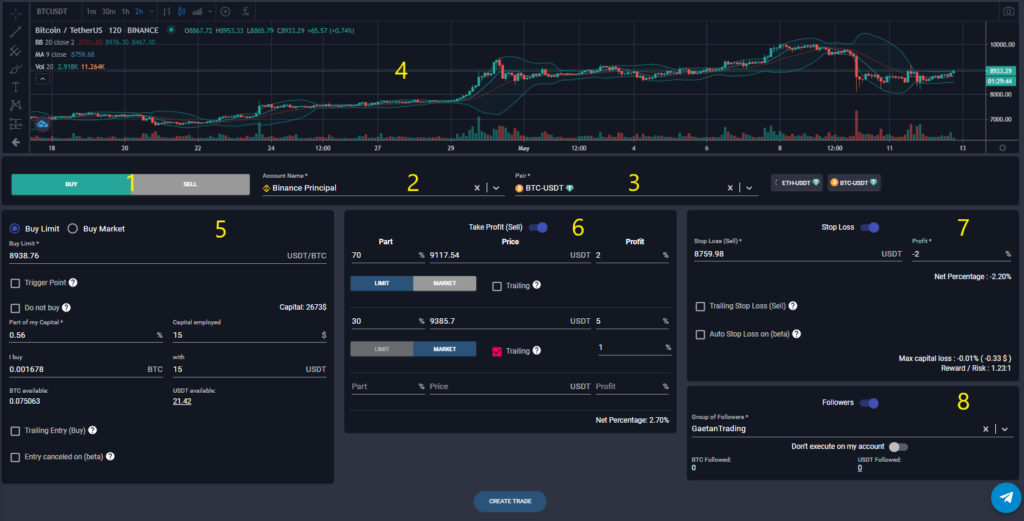
The patterns of candlesticks and technical indicators are usually the first tools used by those who want to get started with cryptocurrency trading. These tools are useful, but shouldn’t be used in lieu of a good knowledge of the risks. Before making a purchase be aware of how much capital you could risk losing and what could invalidate your trading plan and how transaction costs impact your performance.
Market orders are geared toward immediate execution, while a limit order allows you to specify a price, although execution isn’t always guaranteed. Leverage increases the risk of loss because even small price movements could cause significant losses.
Beginning traders can gain some experience by studying the market and making hypothetical trades, before committing real money. The journal helps reveal whether decisions follow an organized strategy or react to excitement and fear.
Explore more advanced topics with better Questions
Once the fundamentals are understood, it becomes easier to analyze subjects like DeFi, NFTs and smart contracts. To ask how much DeFi platforms can charge is not the right way to go. Instead, you should inquire what the source of the yield is and what kind of price users are willing to be willing to pay.
When looking at NFTs it is important to distinguish between the ownership of an NFT and the ownership of the original artwork.
For staking, understand whether rewards compensate participants for helping secure a network or arise from another financial arrangement. The Coin Course brings these topics into a broader cryptocurrency learning experience, helping readers develop knowledge across different areas of the industry.
Learn to Build Knowledge that outlasts market trends
The price of cryptocurrency changes regularly, but the basic concepts remain relevant. Understanding blockchain transactions along with trade mechanics, security of wallets and decentralized applications can help you assess new ventures and not rely solely on sales claims.
Don’t rush into learning all you can about. Once you’ve grasped the basics, move onto more advanced subjects. The goal isn’t to become an expert in a matter of hours. It’s to build enough understanding of risks, ask questions, and take informed choices as the cryptocurrency market develops.