
Repetition is among the most frustrating things that people face when they work using artificial intelligence. A AI assistant may produce an outstanding answer in one instant but then lose crucial details during the next conversation. To ensure that the conversation is kept moving developers usually provide the same project files or documentation often.
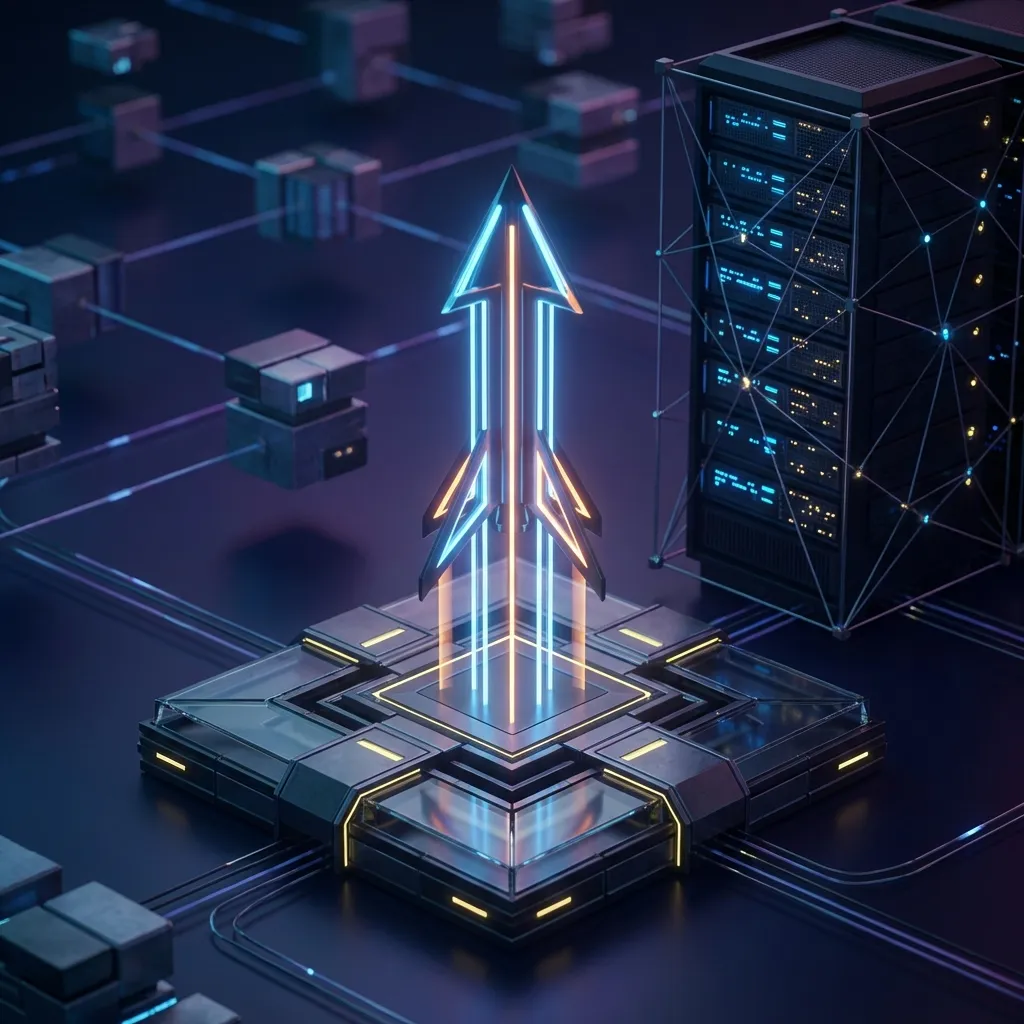
As AI becomes part of everyday software, this process becomes increasingly inefficient. Intelligent systems need the ability to keep relevant information in mind and retrieve it quickly and be able to understand how information evolves as time passes. Memory is now an integral part of contemporary AI architecture.
Memory transforms AI from reactive into intelligent
AI systems that are able to recall past tasks can behave differently than systems which are created from scratch every time. Persistent memory allows applications to understand ongoing projects, recognize regular patterns and offer answers based upon historical context, not just isolated questions.
Telys was created to help solve this issue. It’s not a cloud service but an embedded AI agent memory that can store and retrieve data directly within the application. This design gives developers a reliable way to maintain an understanding of the situation while reducing unnecessary calculations and repetitive processes. This creates an AI experience that is more natural because the software remembers important information.
Data that is localized improves speed and privacy
AI models are no longer evaluated based on their ability to produce text. For those who are currently deploying AI, speed of retrieval as well as system responsiveness and data security are becoming equally crucial.
Utilizing on-device memory for AI agents allows them to search for relevant information without relying on constant communication with servers external to the device. The memory is kept within the local environment so requests are processed faster and organizations are in greater control over sensitive information. This design is particularly beneficial for engineering teams building internal tools, enterprise software, and privacy-sensitive applications where data ownership isn’t at risk.
Memory that operates behind the scenes can be helpful to developers.
Designing intelligent software shouldn’t be a burden. managing complex infrastructure just to save context. Developers increasingly prefer tools that can be integrated naturally with existing workflows without creating additional operational overhead.
A local MCP memory server makes that possible by allowing compatible AI development environments to access persistent memory directly within the local ecosystem. AI assistants do not need to move data repeatedly across different APIs. They can get the exact data they need directly from a memory that is already connected to an application. This approach is efficient and lowers time to complete while delivering a smoother development experience for teams working on large projects with changing codebases and documentation.
The future of AI is based on a long-lasting context
Artificial intelligence goes beyond basic conversations to systems capable of thinking and planning complicated tasks on their own. These systems need a reliable memory to store data across all interactions.
Telys is an advanced AI memory engine, offering persistent local retrieval that is specifically designed for applications that need speed, reliability, and privacy. Telys combines the device-specific AI memory agent with the highest performance local MCP memory service to help designers create software that is able to remember prior work, retrieves data instantly and improves over the time.
The ability to keep track of things may be just as important as the capacity to think as AI is integrated more into business and products. Telys’ AI application development tool allows developers to create AI applications that have greater speed along with intelligence and efficiency at work by providing intelligent systems a lasting context, rather than just a short-lived conversation.